Choosing the perfect menu for your event can feel overwhelming. You want your guests to enjoy every bite, but where do you start?
The right menu sets the mood, sparks conversations, and makes your celebration unforgettable. You’ll discover simple, expert tips from Celebrations’ catering team to help you pick dishes that wow everyone. Whether it’s a small gathering or a big party, you’ll learn how to create a menu that fits your style, budget, and taste.
Keep reading—your perfect event menu is just a few steps away.
Event Type And Theme
Choosing the right menu depends heavily on the event type and theme. These two factors guide food choices and presentation styles. They help create a seamless experience for guests. Understanding these elements ensures the menu fits the overall mood and purpose.
Matching Menu To Occasion
The event type sets the tone for the menu. Formal dinners call for elegant dishes like steak or seafood. Casual gatherings work well with finger foods or buffet style meals. For children’s parties, include simple, fun items like mini sandwiches or fruit cups. Matching the menu to the occasion ensures guests feel comfortable and satisfied.
Incorporating Event Theme
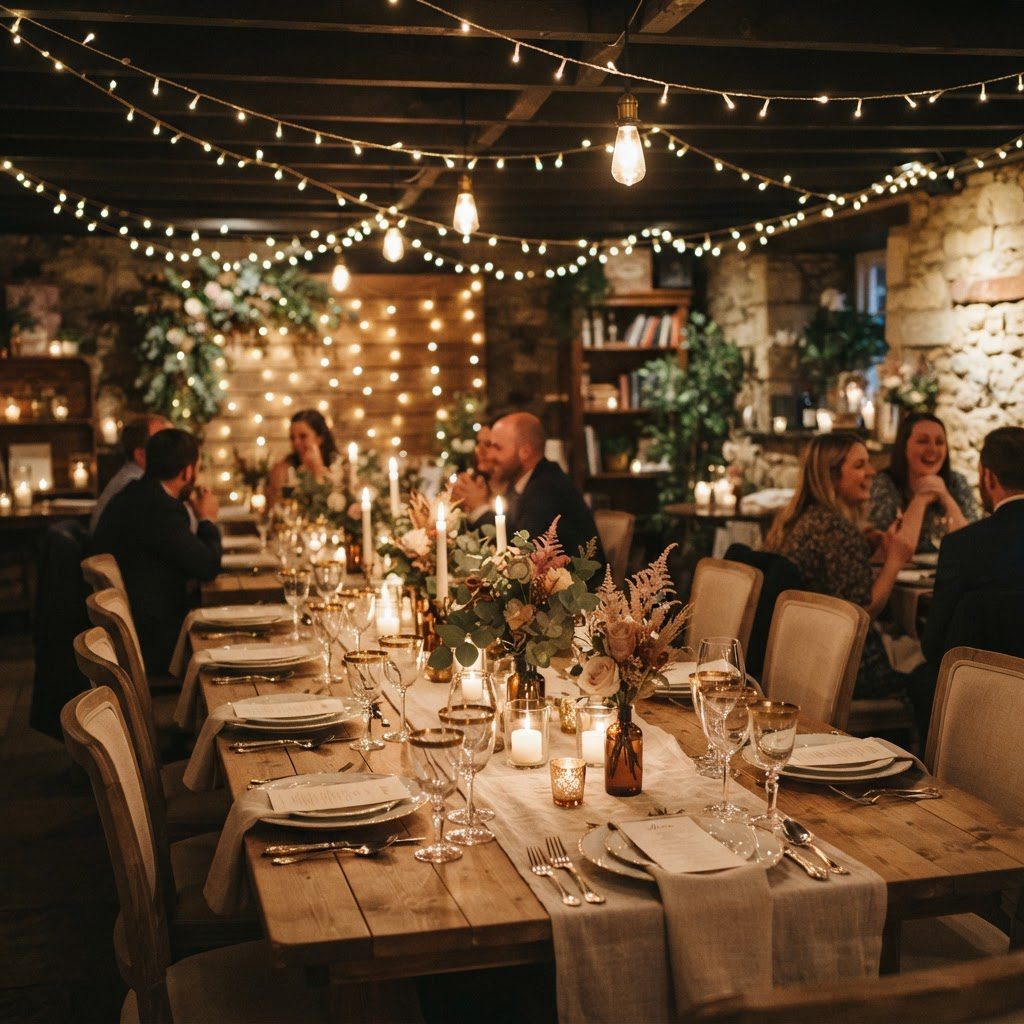
The event theme influences colors, flavors, and presentation. A tropical theme might include fresh fruits and light, refreshing drinks. For a rustic wedding, consider hearty, farm-to-table dishes. Themed menus add excitement and a unique touch. They make the event memorable and show careful planning.
Guest Preferences And Dietary Needs
Choosing the right menu for your event means thinking about your guests. Their tastes and dietary needs matter a lot. A thoughtful menu makes everyone feel welcome and cared for. It also helps avoid any food-related issues during the event.
Considering Dietary Restrictions
Many guests have dietary restrictions. Some cannot eat gluten, nuts, or dairy. Others follow vegetarian or vegan diets. Some guests may need low-sugar or low-sodium options. Asking guests about their needs before planning helps. Label each dish clearly at the event. This prevents confusion and keeps everyone safe.
Balancing Flavors And Choices
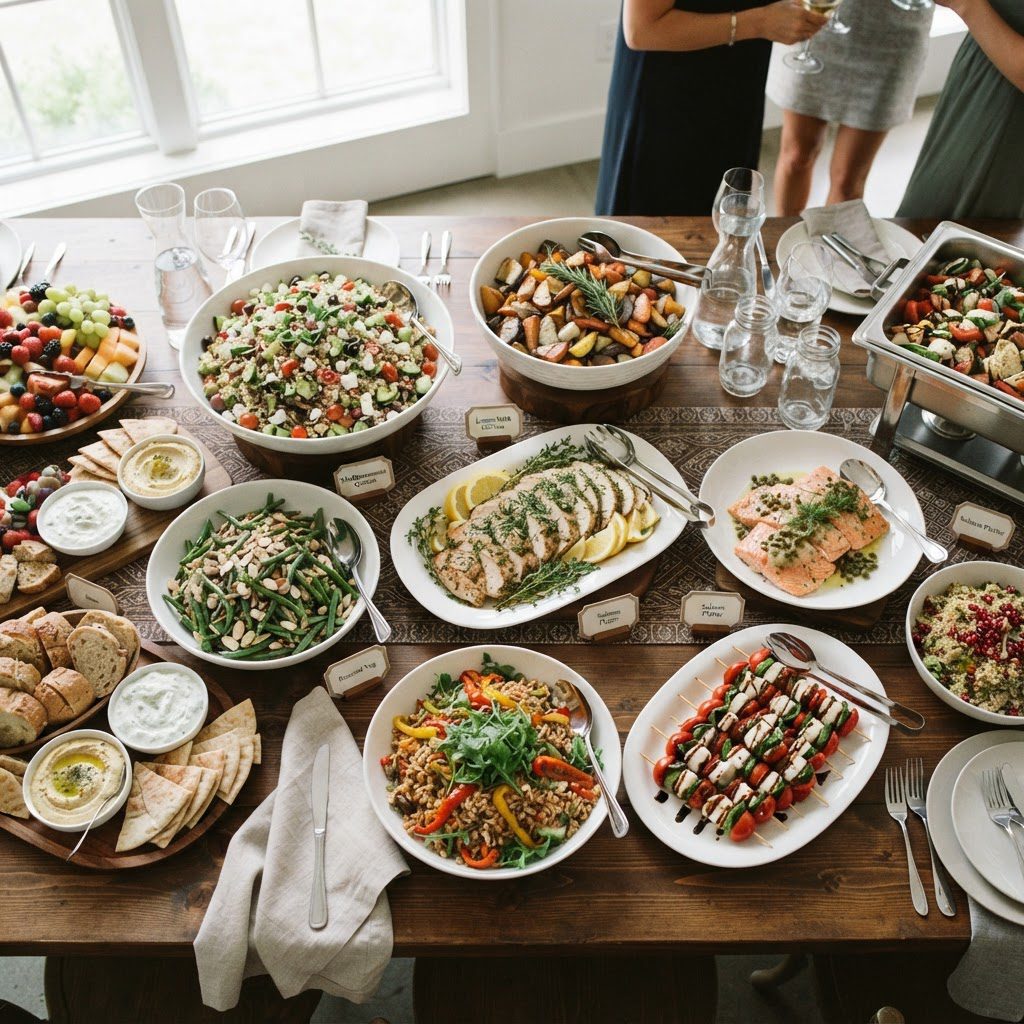
A good menu offers variety. Include different flavors and textures. Offer savory, sweet, spicy, and mild options. Make sure there are protein, vegetable, and starch choices. This balance keeps guests happy and satisfied. Avoid repeating the same ingredients in many dishes. Variety shows care and attention to detail.
Budget Planning
Planning a budget is a key step in choosing the right menu for your event. It helps control costs and ensures you get the best value. Careful budget planning avoids surprises and keeps your event on track.
Allocating Funds Wisely
Start by setting a clear budget limit. Divide this budget into parts for food, drinks, and extras. Reserve a small amount for unexpected costs. Spend more on items guests will enjoy the most. Cut back on less important areas to balance the budget.
Prioritizing Menu Items
Pick menu items that fit your budget and satisfy guests. Focus on popular dishes that offer good value. Choose seasonal ingredients to lower costs. Include a mix of expensive and affordable options. Skip items that are costly but not essential.
Seasonal And Local Ingredients
Choosing the right menu for your event starts with the ingredients. Seasonal and local ingredients bring freshness and flavor that guests notice. They also support the environment and local farmers.
Using seasonal produce means your dishes taste better. Local sourcing cuts down on travel time, keeping food fresh and nutritious.
Benefits Of Seasonal Produce
Seasonal fruits and vegetables are harvested at their peak. This means they have more taste and nutrients. Menus with seasonal items offer variety throughout the year. It helps cater to different tastes and preferences. Seasonal produce often costs less than out-of-season imports. This can lower your event’s food budget. Guests appreciate the natural flavors and freshness. It creates a memorable dining experience.
Sourcing Locally
Local sourcing means buying from nearby farms and suppliers. This reduces the food’s travel distance and time. Fresher ingredients reach your kitchen, improving quality. Supporting local growers strengthens the community economy. It also reduces your event’s carbon footprint. Local ingredients often reflect your region’s unique flavors. This adds a special touch to your menu. Celebrations’ catering experts recommend building relationships with local vendors. It ensures a steady supply of fresh ingredients for your event.
Menu Style And Presentation
Choosing the right menu style and presentation shapes the entire event experience. It sets the tone and influences guest comfort. Careful thought ensures food service matches your event’s mood and flow. Presentation adds appeal and boosts guest enjoyment. Both factors work together to create lasting memories.
Buffet Vs Plated Service
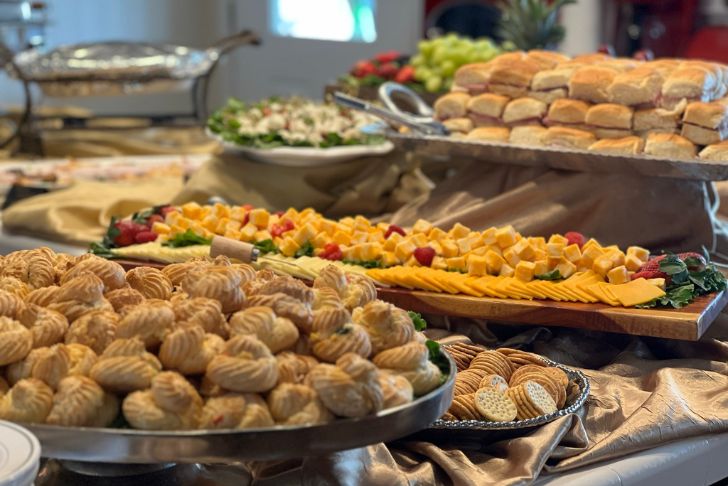
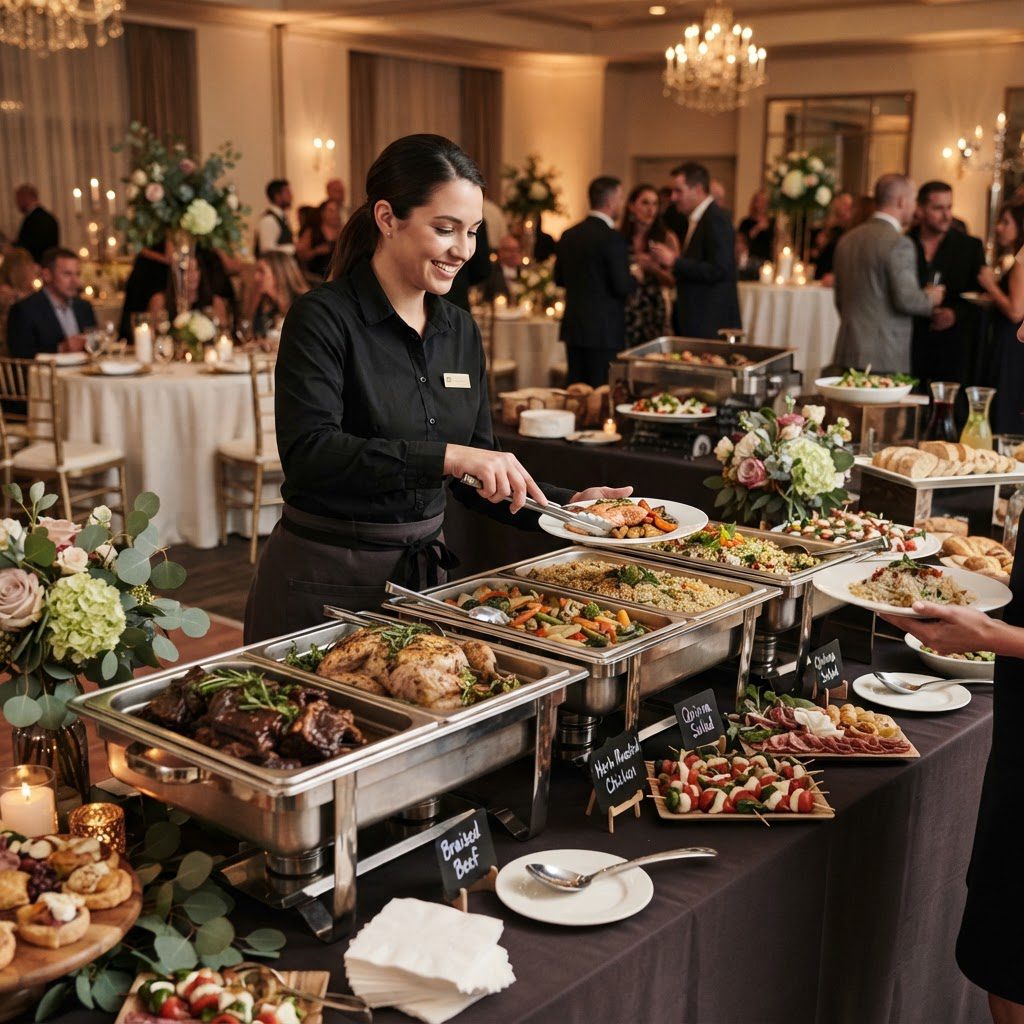
Buffets offer variety and allow guests to pick their favorites. Guests can move around and chat while serving themselves. This style works well for casual or large events. It encourages mingling and keeps service quick.
Plated service is more formal and elegant. Each guest receives a carefully prepared dish at their seat. This style suits weddings and formal dinners. It controls portions and adds a touch of luxury.
Consider event size, formality, and guest preferences before choosing. Both styles have unique benefits for different occasions.
Creative Food Presentation
Presentation makes food look tempting and exciting. Use colorful garnishes and artistic plating to catch eyes. Small details, like unique dishware, add charm to the table.
Serving food in bite-sized portions encourages tasting and sharing. Creative displays invite guests to explore flavors and textures. Presentation can turn simple dishes into a visual feast.
Experiment with shapes, layers, and colors for a memorable dining experience. Great presentation leaves guests talking long after the event ends.
Beverage Pairings
Beverage pairings can lift your event’s dining experience. Choosing the right drinks enhances the flavors of your food. Drinks balance tastes and refresh the palate. Thoughtful pairings make guests feel special and cared for. Consider the menu and event style before picking drinks.
Matching Drinks With Food
Pair light dishes with crisp, refreshing drinks. For example, white wine works well with fish and chicken. Red wine suits red meat and rich sauces. Sparkling water or soda can cleanse the palate between bites. Match spicy foods with cooling drinks like milk or yogurt-based beverages.
Serve drinks at the right temperature to boost flavors. Cold drinks pair well with cold dishes. Warm drinks can complement hearty, warm meals. Offer a variety of choices to suit different tastes and needs.
Non-alcoholic Options
Non-alcoholic drinks are essential for all guests. Provide flavored waters, fresh juices, or iced teas. These drinks refresh without alcohol’s effects. Mocktails add fun and elegance to your event. Make sure options suit children, drivers, and non-drinkers.
Use fresh ingredients for the best taste. Avoid overly sweet or artificial flavors. A good range of non-alcoholic drinks makes everyone feel included. Plan these options with the same care as alcoholic beverages.
Working With Catering Experts
Working with catering experts makes event planning smoother and more enjoyable. These professionals bring knowledge and experience to help create the perfect menu. They listen to your ideas and guide you through choices that fit your event style and budget. Trusting their expertise saves time and reduces stress.
Communicating Your Vision
Sharing your vision clearly helps caterers understand your needs. Describe the event type, guest preferences, and any special requests. Mention dietary restrictions or allergies early. Talk about the atmosphere you want to create. The clearer your communication, the better the menu matches your expectations.
Leveraging Expert Advice
Catering experts suggest dishes that suit your event size and theme. They know what works well together and how to balance flavors. Experts help with portion sizes to avoid waste. They can recommend seasonal ingredients and trending dishes. Use their advice to create a menu that impresses every guest.
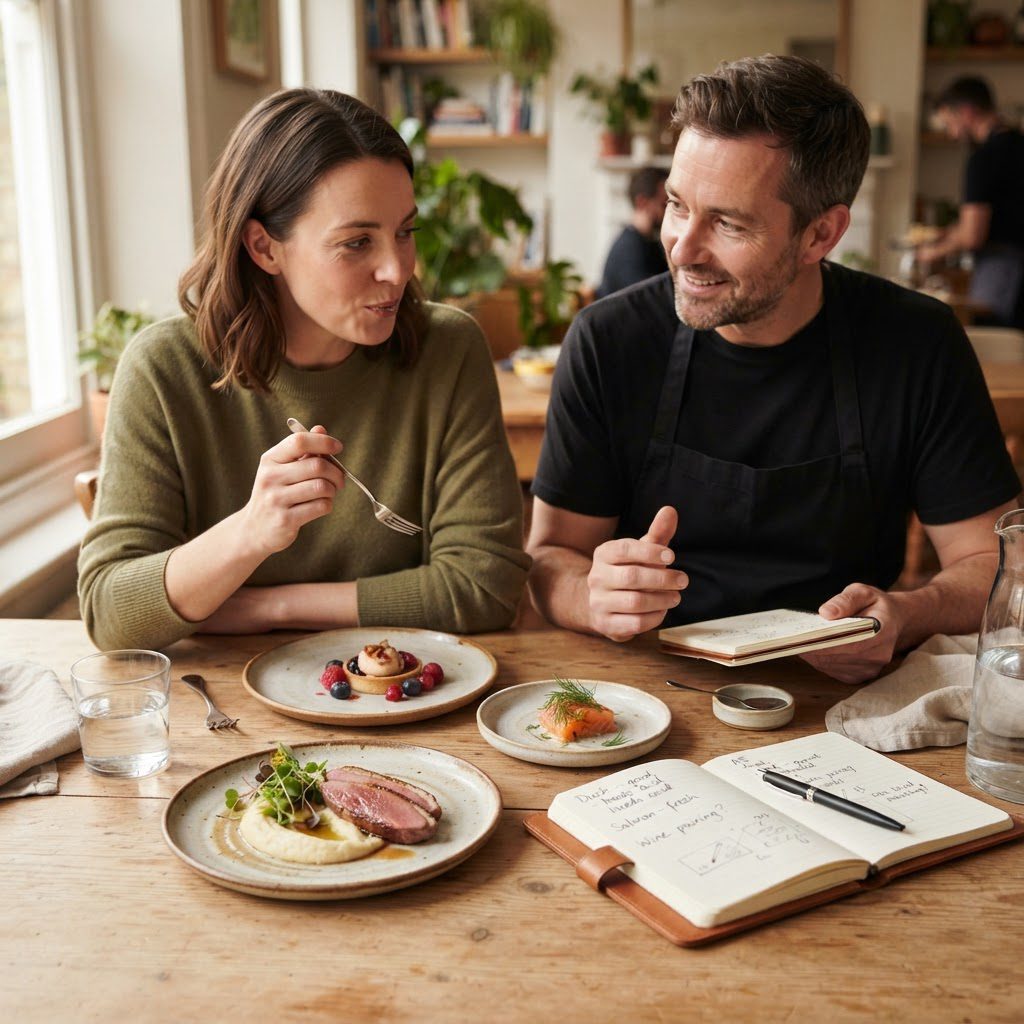
Tasting Sessions
Tasting sessions play a key role in choosing the perfect menu for your event. They allow you to sample dishes before the big day. This way, you can see if the flavors and presentation meet your expectations. You get a clear idea of what your guests will enjoy.
These sessions also offer a chance to discuss any special dietary needs or preferences. They help avoid surprises during the event. Tasting sessions create confidence in your menu choices.
Scheduling Tastings
Plan your tasting session well ahead of your event date. Contact your catering team early to set a convenient time. Choose a quiet setting where you can focus on the food. Limit the number of dishes to avoid feeling overwhelmed. Take notes during the tasting to compare later. Invite a few trusted people to share their opinions. This helps you make balanced decisions.
Making Final Adjustments
Use feedback from the tasting to refine your menu. Change flavors or ingredients if something feels off. Adjust portion sizes to suit your guests’ appetite. Discuss presentation styles to match your event theme. Ask about alternatives for dietary restrictions if needed. Confirm all changes with your catering team. This step ensures your menu is just right.
Frequently Asked Questions
How Do I Choose The Right Menu For My Event?
Consider your event type, guest preferences, and dietary needs. Balance variety and seasonality for a perfect menu. Consult catering experts for tailored recommendations.
What Factors Affect Menu Selection For Events?
Event size, budget, theme, and guest dietary restrictions impact menu choices. Timing and service style also play crucial roles.
How Can I Accommodate Dietary Restrictions In My Menu?
Ask guests about allergies and preferences beforehand. Include gluten-free, vegan, and nut-free options. Clearly label dishes to avoid confusion.
What Are Popular Menu Trends For Events?
Farm-to-table, plant-based dishes, and interactive food stations are trending. Seasonal ingredients and local flavors enhance guest experience.
Conclusion
Choosing the right menu makes your event special and memorable. Think about your guests’ tastes and dietary needs first. Keep your budget clear to avoid surprises later. Balance variety with simplicity to please everyone. Trust your catering experts to guide you well.
A well-planned menu brings joy and smooth service. Enjoy your event, knowing the food suits all. Good food means happy guests and lasting memories.
Ready to build your event menu with us? Reach out to our catering team or give us a call.
📞 Call: (334) 701-0162
📍 Visit: 560 Westgate Parkway, Dothan, AL
🕐 Hours: Tuesday–Friday 7AM–5PM | Saturday 8AM–Noon